
You bought the machine. You watched the videos. You poured the mix onto the cold pan. You scraped and rolled. And then everything fell apart. Your ice cream rolls broke into pieces. Instead of beautiful cylinders, you got crumbles and shards. This is one of the most common problems in rolled ice cream making. The good news is that fixing this issue is simple. You just need to understand why are my ice cream rolls breaking.
This guide will walk you through every possible reason your ice cream rolls break. We will look at the science behind the process. We will give you clear solutions. By the end, you will know exactly what to do to get perfect rolls every time.
The Real Reason Ice Cream Rolls Break
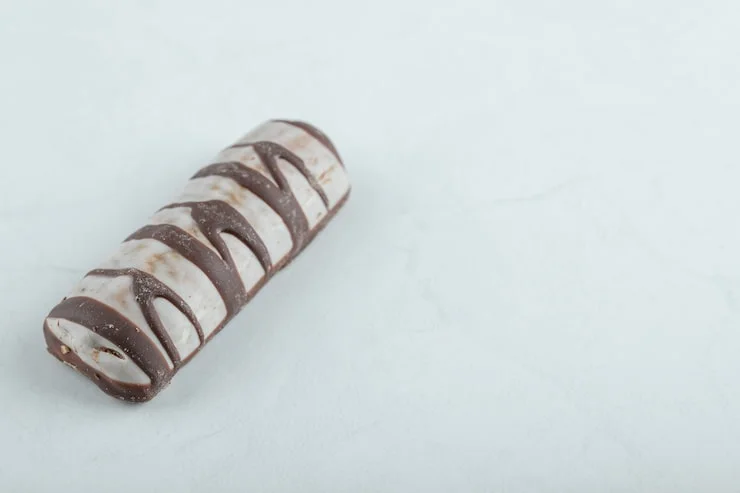
Rolled ice cream is not the same as regular ice cream. Regular ice cream gets churned in a machine. It has air whipped into it. Rolled ice cream freezes flat on a cold plate. Then you scrape it into rolls. This process is delicate. The mix needs to freeze at the right speed. It needs the right structure to hold together.
When your rolls break, it means the frozen layer is too brittle. Brittle ice cream shatters instead of curling. The fat and sugar in your mix are what give ice cream its flexible structure. Without enough of these, the frozen sheet becomes hard and glassy. When you push the scraper across, it snaps instead of rolls.
Read Also: Vegan Ice Cream Rolls Recipe
Reason One: The Pan Temperature Is Too Cold
This is the number one reason for breaking rolls. Your machine needs to be cold, but not freezing cold. If the pan temperature drops too low, the mix freezes too fast. Fast freezing creates small ice crystals. Small ice crystals make the ice cream hard and brittle. When you scrape, the brittle sheet cracks.
Think about ice cubes from your freezer. They are hard and they crack easily. Now think about soft serve ice cream. It bends and curls. Your pan temperature determines which type you get.
The Fix: Check your machine settings. Most machines work best between minus twenty degrees and minus thirty degrees Celsius. If your machine goes below this range, your mix freezes too hard. If you cannot adjust the temperature, work faster. Spend less time spreading and smoothing the mix. Get your scraper across the pan quickly before the mix freezes solid.
The Sign: If your mix turns into a solid white sheet within thirty seconds, your pan is too cold. You should have about sixty to ninety seconds to work with the mix before it sets.
Reason Two: Not Enough Fat in Your Base
Fat is what makes ice cream smooth and pliable. Without enough fat, the frozen layer has no stretch. It sits flat and hard on the pan. When you push the scraper, the sheet has no give. It breaks into jagged pieces instead of curling into a round shape.
Many homemade recipes use low fat milk or skim milk. These do not have enough fat to support the rolling process. The frozen sheet becomes watery and icy. Water freezes into sharp crystals. Sharp crystals do not bend. They break.
The Fix: You need at least ten percent fat in your base. Heavy cream is your best choice. Use cream that has at least thirty five percent milk fat. Whole milk has about three and a half percent fat. That is not enough on its own. Mix equal parts heavy cream and whole milk to get the right balance.
The Sign: If your mix looks watery when you pour it on the pan, you need more fat. A good base looks creamy and slightly thick. It should coat the back of a spoon.
Reason Three: Sugar Levels Are Too Low
Sugar does more than add sweetness. Sugar lowers the freezing point of your mix. This means your ice cream stays softer at colder temperatures. When you have enough sugar, the frozen sheet remains flexible. When you have too little sugar, the mix freezes rock hard.
Sugar also binds with water in the mix. This prevents large ice crystals from forming. Large ice crystals create a rough texture. Rough texture leads to breaking. The right amount of sugar gives you a smooth, bendable sheet that rolls beautifully.
The Fix: Use between fourteen and eighteen percent sugar in your base. This means about one hundred to one hundred fifty grams of sugar for every liter of liquid. White granulated sugar works best. You can also use corn syrup or honey. These add moisture and help with flexibility. Do not reduce sugar thinking you are making a healthier product. Your rolls will break.
The Sign: If your frozen layer looks clear or glassy instead of creamy white, you may have too little sugar. The mix should look opaque when frozen.
Reason Four: Your Scraper Technique Is Wrong
The tool you use matters. The angle matters. The speed matters. Many people scrape too slowly or at the wrong angle. When you scrape at a sharp angle, you cut into the frozen sheet. This creates weak points. The sheet tears along these weak points instead of rolling.
When you scrape too slowly, the sheet has time to warm up. Warm spots stick to the pan. Cold spots stay frozen. This unevenness causes breaks. The scraper catches on the sticky parts and pulls the sheet apart.
The Fix: Hold your scraper at a forty five degree angle to the pan. Push forward with steady pressure. Do not push down too hard. Let the sharp edge of the scraper do the work. Move across the pan in one smooth motion. Do not stop halfway. Stopping creates lines in the frozen sheet. These lines become breaking points.
Practice your speed. You should take about two seconds to scrape across the width of the pan. If you go slower, the ice cream starts to melt and stick. If you go faster, you might not get a clean cut.
The Sign: If your rolls have flat spots or jagged edges, your scraper angle is off. If parts of the sheet stick to the pan while other parts roll up, your speed is inconsistent.
Reason Five: Over Freezing Before Scraping
Waiting too long is a common mistake. You pour the mix. You spread it thin. Then you wait for it to freeze completely. This is wrong. If you wait until the whole sheet is frozen solid, it becomes too brittle to roll.
The best time to scrape is when the mix is set but still slightly soft in the middle. You want the edges to be firm. The center should yield slightly when you press it with your finger. At this stage, the sheet has enough structure to hold a roll but enough flexibility to bend.
The Fix: Watch your mix closely after pouring. In a properly cold pan, the edges will start to set within thirty seconds. The center will take about sixty to ninety seconds. Start scraping when the top looks matte instead of shiny. Shiny means liquid. Matte means frozen. Scrape at the matte stage.
The Sign: If your mix makes a crunching sound when you scrape, you waited too long. You want a smooth scraping sound. Crunching means ice crystals have formed. Breaking follows shortly after.
Reason Six: Too Much Water in the Mix
Water is the enemy of rolled ice cream. Water freezes into hard crystals. Hard crystals cause breaking. Your base should have as little extra water as possible. This means using cream and milk. It means avoiding water based flavorings.
Fruit purees add water. Extracts add water. Even the sugar you use can add water if you use liquid sweeteners. Too much water dilutes the fat and sugar. The frozen sheet becomes icy and fragile.
The Fix: Use whole milk and heavy cream as your main liquids. If you add fruit, cook it down first. Remove as much water as possible. Use fruit syrups instead of fresh fruit. Syrups have less water and more sugar. If you use extracts, use small amounts. Too much extract throws off your liquid balance.
The Sign: If your frozen sheet has visible ice crystals on the surface, you have too much water. A good sheet looks smooth and creamy. It should not look like a frozen lake.
Reason Seven: The Pan Is Not Level
This is a mechanical issue that many people miss. Your machine needs to sit completely flat. If the pan tilts even slightly, the mix pools on one side. One side freezes thick. The other side freezes thin. Thick and thin sections freeze at different rates. When you scrape, the thin sections why are my ice cream rolls breaking.
The Fix: Use a spirit level on your machine. Check it from front to back. Check it from side to side. Adjust the feet of the machine until the bubble sits exactly in the center. This ensures the mix spreads evenly across the whole pan.
The Sign: If your rolls are uneven in size or if one side of the pan always breaks while the other side rolls fine, your machine is not level.
Reason Eight: You Poured Too Much Mix
More is not better. When you pour too much mix, the layer freezes too thick. Thick layers do not roll well. The inside stays soft while the outside freezes hard. This temperature difference causes stress. The frozen outer layer wants to curl. The soft inner layer pulls it back. The result is breaking and cracking.
The right thickness is about three millimeters. That is roughly the thickness of a coin. At this thickness, the whole layer freezes at the same rate. It curls evenly when you scrape.
The Fix: Use about eighty to one hundred milliliters of mix per serving. Pour it in the center of the pan. Use your scraper to spread it in a thin circle. Make sure the circle covers the width of the pan but is not too thick.
The Sign: If your rolls are thick and heavy, you used too much mix. If they are thin and fragile, you used too little. The perfect roll is about the thickness of a pencil.
The Complete Fix Checklist
Here is a quick checklist to run through before you start your next batch:
- Pan Temperature: Minus twenty to minus thirty degrees Celsius
- Fat Content: At least ten percent from heavy cream
- Sugar Content: Fourteen to eighteen percent by weight
- Scraper Angle: Forty five degrees
- Scraping Speed: Two seconds across the pan
- Freeze Time: Scrape at the matte stage, not solid stage
- Layer Thickness: About three millimeters
- Pan Level: Dead flat
Go through this checklist every time. Most people fix their breaking problem by changing just two or three of these factors.
You May Also Like: Easy Ice Cream Roll Recipe For Beginners
My Base Recipe for Perfect Rolls

This recipe gives you the right fat and sugar balance. It works on most machines. It gives you smooth, flexible rolls that hold together.
Ingredients:
- Three hundred milliliters heavy cream
- Three hundred milliliters whole milk
- One hundred grams white sugar
- Five grams vanilla extract
Instructions:
Mix all ingredients in a bowl. Stir until the sugar dissolves completely. Chill the mixture in the fridge for one hour. Pour about eighty milliliters onto your cold pan. Spread thin. Wait for the matte finish. Scrape at a forty five degree angle. Your rolls should form perfectly.
This is a plain base. You can add flavors after the base is mixed. Use syrups or pastes. Avoid water based flavorings. If you want fruit, fold it in just before pouring. Do not blend it into the base.
Troubleshooting Table
| Problem | What You See | What To Do |
|---|---|---|
| Pan too cold | Sheet freezes in thirty seconds | Raise temperature or scrape faster |
| Not enough fat | Watery looking base | Add more heavy cream |
| Not enough sugar | Glassy frozen layer | Increase sugar to fifteen percent |
| Scraper angle wrong | Flat spots on rolls | Hold at forty five degrees |
| Over freezing | Crunching sound when scraping | Scrape at matte stage |
| Too much water | Ice crystals on surface | Use less fruit or extracts |
| Pan not level | Uneven roll sizes | Level the machine |
| Too much mix | Thick heavy rolls | Use eighty milliliters only |
Frequently Asked Questions
Can I use low fat milk for rolled ice cream?
No. Low fat milk does not have enough fat. Your rolls will break every time. Use whole milk and heavy cream. The fat is what holds the roll together.
Why do my rolls stick to the pan and break?
Sticking happens when the pan is not cold enough or when the mix has too much sugar. Check your temperature. Make sure your mix is chilled before pouring. Clean the pan between batches.
Can I fix broken ice cream rolls?
Yes. If your rolls break, put them in a bowl. Mash them up. Add some fresh cream and mix well. You now have soft serve ice cream. It is not the same as rolls, but nothing goes to waste.
Does the scraper quality matter?
Yes. Cheap scrapers have dull edges. Dull edges tear the frozen sheet. You need a sharp metal scraper. Keep it clean and dry between uses. A wet scraper sticks to the frozen sheet and causes breaks.
How do I know when to scrape?
Watch the top of the mix. When it changes from shiny to matte, start scraping. This takes about sixty to ninety seconds. Do not wait longer.
Final Words
Breaking ice cream rolls is frustrating. You stand there with a pan full of crumbs and wonder what went wrong. Now you know the answers. Start with the base recipe. Check your temperature. Watch your timing. Adjust your scraper angle. These small changes make a huge difference.
The beauty of rolled ice cream is that it rewards attention to detail. Every step matters. The fat content, the sugar balance, the pan temperature, the scraping motion. Each piece fits together to create those beautiful cylinders you see on social media.
Do not give up after one bad batch. Ice cream making is a skill. You will improve with practice. Use this guide as your reference. Come back to it when things go wrong. Before long, you will know exactly what your mix needs just by looking at it on the pan.








 (1).jpg)